 Susan Yerkes
SPRING CLEANING
When clutter takes over... call the pros
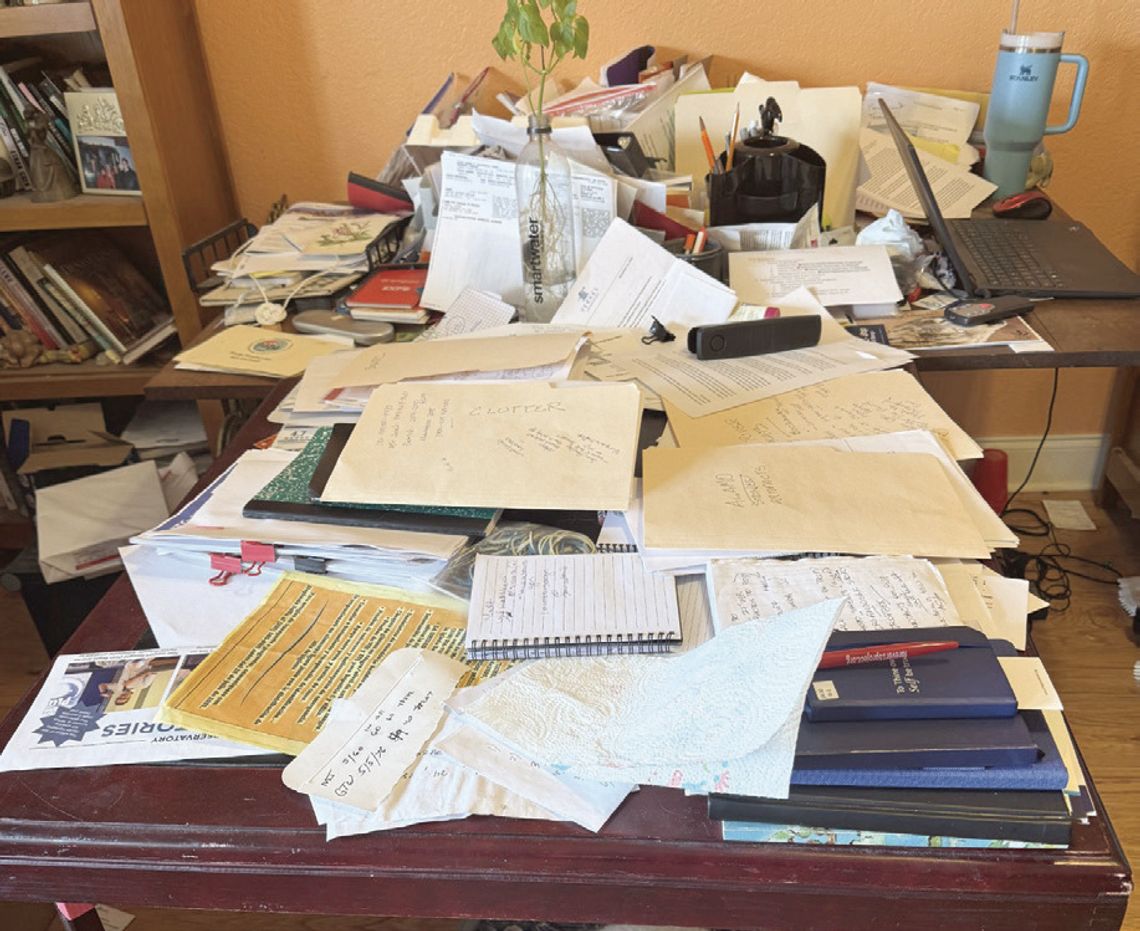
Clutter—the Oxford Dictionary defines it as “ a collection of things lying around in an untidy mess.” But you already know what it is. It’s the chair that isn’t for sitting anymore, a kitchen counter that never clears, a closet packed with clothes that one day may fit you again. This spring-cleaning season, you may resolve to clear up your clutter.
That’s a good resolution – and a common one. But for some, it’s not so easy. There’s even a Clutterers Anonymous, a “twelve-step program for people who share a common problem with the accumulation of clutter.”
Almost everyone has a little clutter somewhere. Sometimes it’s out of sight; in the attic, the basement, a spare room or at a storage facility where you vow you’re going to get to it one day.
The cultural conversation around clutter has been shaped by professional organizers, most famously Marie Kondo, whose book The Life-Changing Magic of Tidying Up asked people to keep only things that “spark joy.” But not all clutter lends itself to joy-based sorting. Sometimes you need a little help.
Bellville-born sisters Morgan Thomas and Cydney Pennison are clutter-busting pros. As the owners and crew of Spiffy Sisters Cleaning Service, they’ve seen it all. “We always enjoyed organizing and cleaning,” said Morgan, who is also an RN. “ It’s satisfying work.”
That satisfaction comes, in part, from making the task feel possible. One of the biggest mistakes people make, Morgan said, is trying to tackle everything at once. ”It’s overwhelming,” she said. Instead, start small — a single cabinet, a closet, even one drawer. Set a timer for 30 minutes and then stop for the day.
She recommends starting with trash and recycling. Old papers, packaging, and broken things can go without emotional debate. “Once you start throwing out or recycling, it gets a lot more manageable,” she said.” You’ve created breathing space, confidence – and momentum.”
Tougher decisions require self-honesty. If you haven’t used it in a year, you’re unlikely to need it. Favorite sweaters or sentimental items are fine, but a coat unworn for five years is more useful to a thrift store or a local shelter. And maybe you don’t need all 12 pairs of jeans.
“Home offices are the worst offenders,” Morgan added. “A lot of papers are unfinished decisions.” A small desktop file and labeled folders can make a big difference. “Once a month, mark your calendar to go through a box of papers you’ve had for a while,” she said. Some will be shredder- ready. The goal isn’t perfection. It’s relief, and a home that feels livable.
Some clutter-busters take a tougher approach. Books like Nobody Wants Your Sh*t: The Art of Decluttering by “Messie Condo” argue that leaving behind decades of accumulated belongings creates emotional and logistical burdens for family members. Condo’s approach to clutter, sometimes called “death cleaning,” emphasizes cleaning out clutter while you still can, rather than leaving it as your legacy.
That’s where estate-sale professionals come in. Michelle Moebus of Southern Ways Estate Sales & Liquidations often works with families who have taken what they want from the estate— the photos, the heirlooms, the few meaningful keepsakes — and are left staring at rooms still full of everything else. The items may have mattered deeply to the deceased, but now require decisions and action that the family isn’t prepared to make.
“People think putting things into storage buys them time,” Moebus says. “But a year later, they’re paying to store the same decisions they didn’t want to make in the first place.” Storage units can become costly emotional limbo — places where belongings wait, untouched, while families delay confronting them. By contrast, an estate sale forces resolution. The team sorts, prices, sells, donates, and disposes of remaining items, leaving behind an empty, broom-clean house.
The benefit isn’t just profit – it’s closure, allowing the living to go on with their lives without the burden of their loved one’s accumulated baggage.
The fact is, our clutter is rarely just ”stuff”. It represents the versions of ourselves we once were, or imagined — thinner, more organized, more industrious — and the objects we kept as proof that those futures might still arrive. It’s about what we hope will matter after we’re gone.
Seen that way, clutter becomes a kind of biography. What we keep — and where we keep it — tells the story of who we were, who we thought we’d be, and who we’re afraid to stop being. Whether it’s a crowded closet, a packed garage, or an entire house left behind, dealing with clutter is sometimes very hard. But freedom from clutter is worth it.
ABOUT THE WRITER
Susan Yerkes is an award-winning journalist and travel writer based in San Antonio. She has an intimate relationship with clutter. She looks forward to breaking up with it.



Comment
Comments